


Orientation on Inclusive Participatory Planning Process and Budgeting
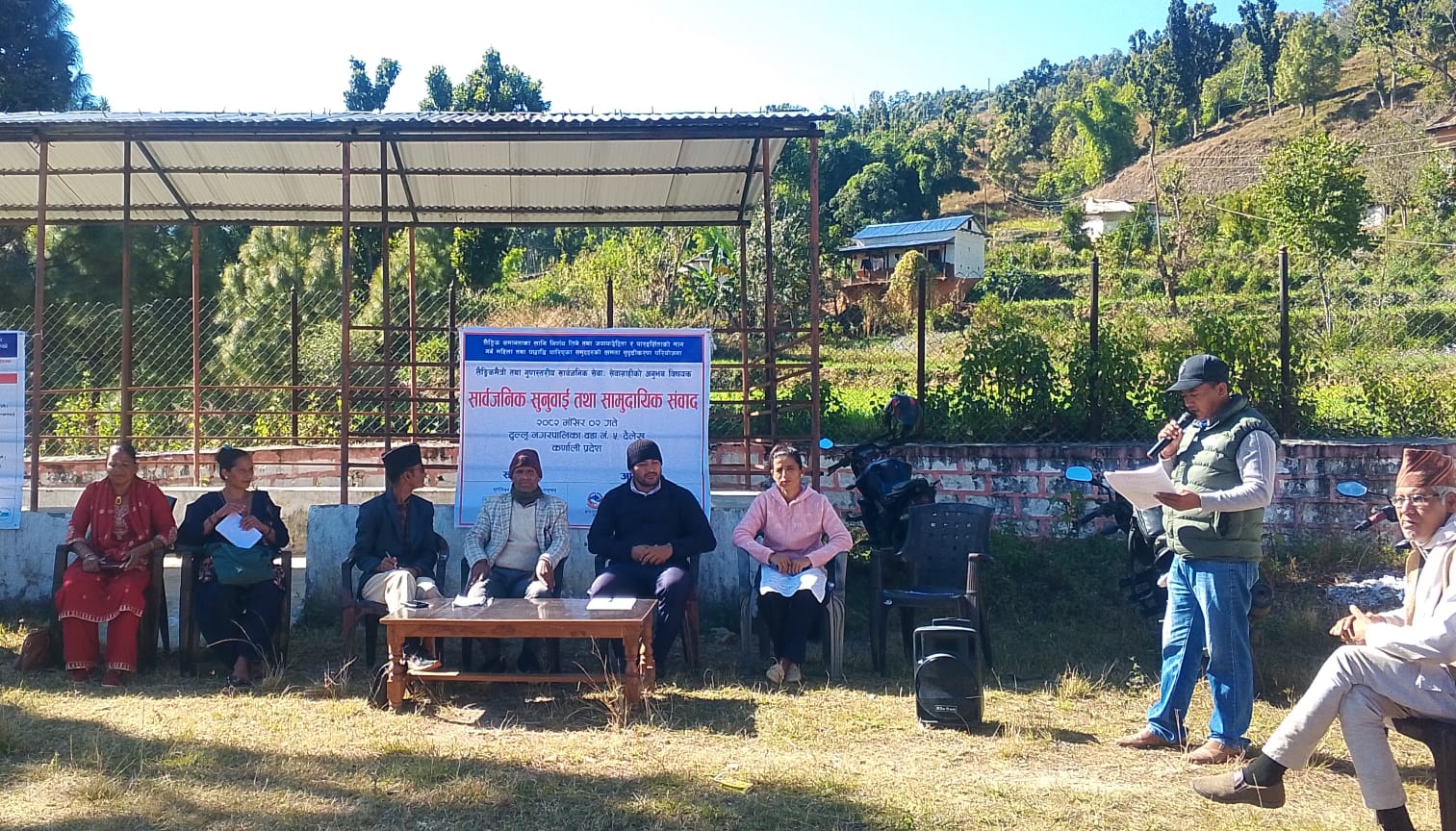
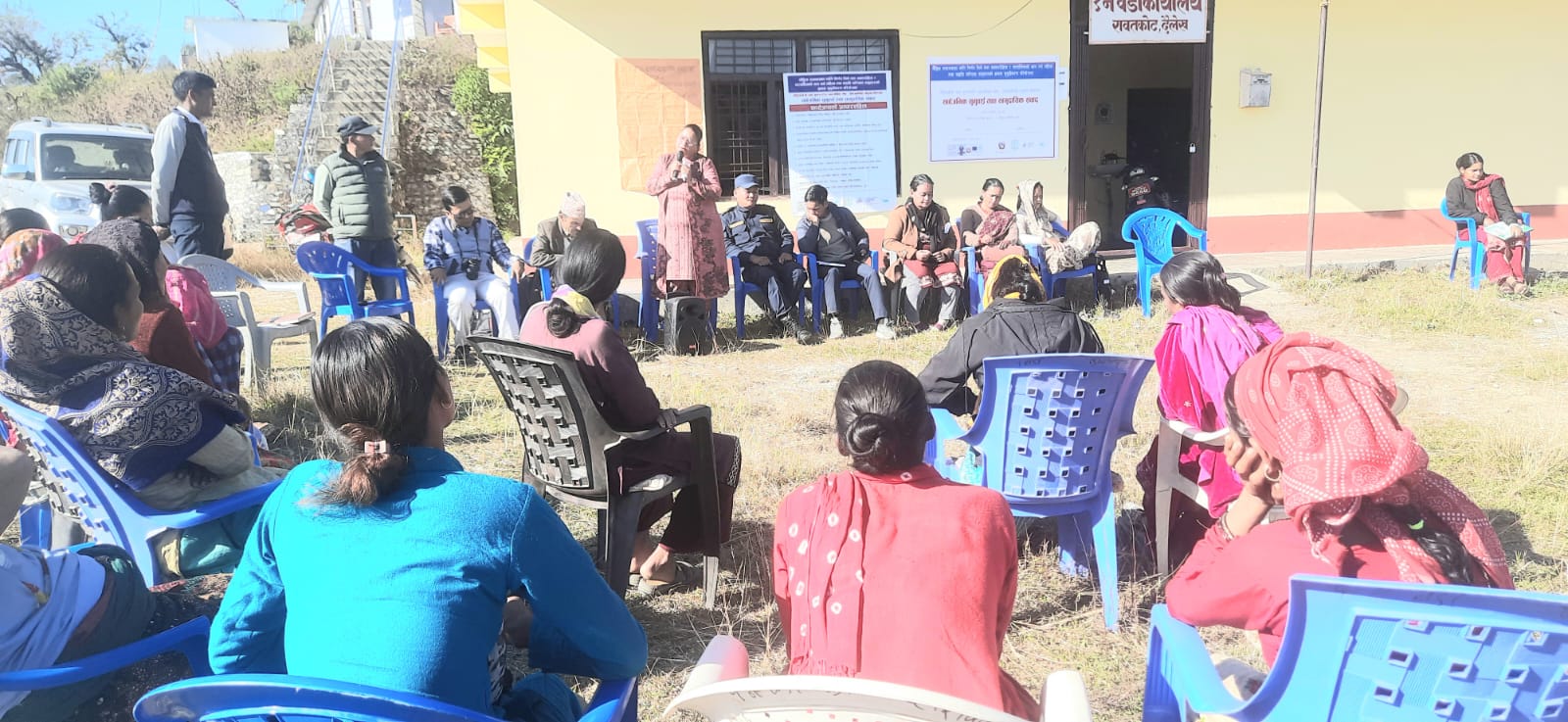
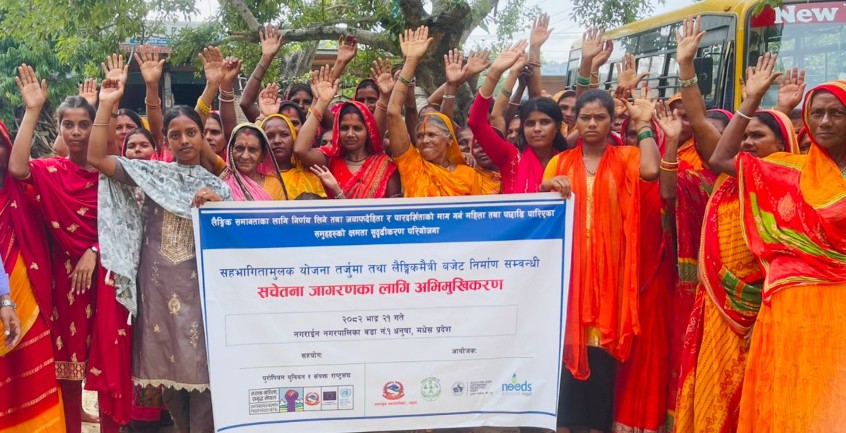
During the period (April to June 2025), a total of 6 events focused on inclusive participatory Planning and Budgeting were conducted across 6 project wards in three provinces: Madhesh, Sudurpaschim, and Karnali Province were accomplished under the financial and technical supported by European Union/UN women, Pro Public and its consortium partners (YGGP Surkhet and Need Nepal). The aim was to raise awareness about the 7-step inclusive participatory planning process, its significance, budget allocation, gender-responsive budgeting, the priorities of local government, the actions being undertaken by local government, women’s rights, the roles of service providers, service delivery, decision-making processes, social accountability, and transparency. A total of 273 participants took part, comprising women who were excluded, Dalit, Janjati, Dalit individuals, people with disabilities, and minorities. The group consisted of 102 individuals from Madhesh, 91 from Karnali, and 80 from Sudurpaschim. Similarly, out of the total participants, 233 were female and 40 were male. Regarding geographic representation, the group consisted of 102 individuals from Madhesi communities and 171 from Pahadi communities. Caste and ethnic representation comprised 97 Dalits, 61 Janajatis, 101 Brahmin/Chhetri, 11 Madhesis, and 3 Muslims—showing the project’s dedication to fostering diversity and 15% inclusion. Regarding disability status, 7 individuals with disabilities were from Karnali.
During an orientation, local officials and representatives, including the ward chair, ward secretary, and local representative, were invited as guests and responsible individuals. The involvement of local representatives in their respective wards enhanced the program, making it enriching, productive, meaningful, and effective. A presentation, group work, and presentations, sharing, Q&A, and open discussion occurred. A total of 19 women, along with the excluded groups of Dalits and marginalized individuals—9 from Karnali, 5 from Sudurpaschim, and 5 from Madesh Province expressed concerns regarding planning, budgeting, gender-based violence, and meetings. They specifically made the notes to the local governments for prioritizing gender and social inclusion too little, resulting in the reduced involvement of women, excluded groups, Dalits, and individuals with disabilities in local government programs and meetings. They urged local representatives to invite these groups and ensure their active participation and engagement in planning, budgeting, GESI, and development-related

.png)


.png)