


33 Public Commitments in Writing Endorsed by Local Authorities
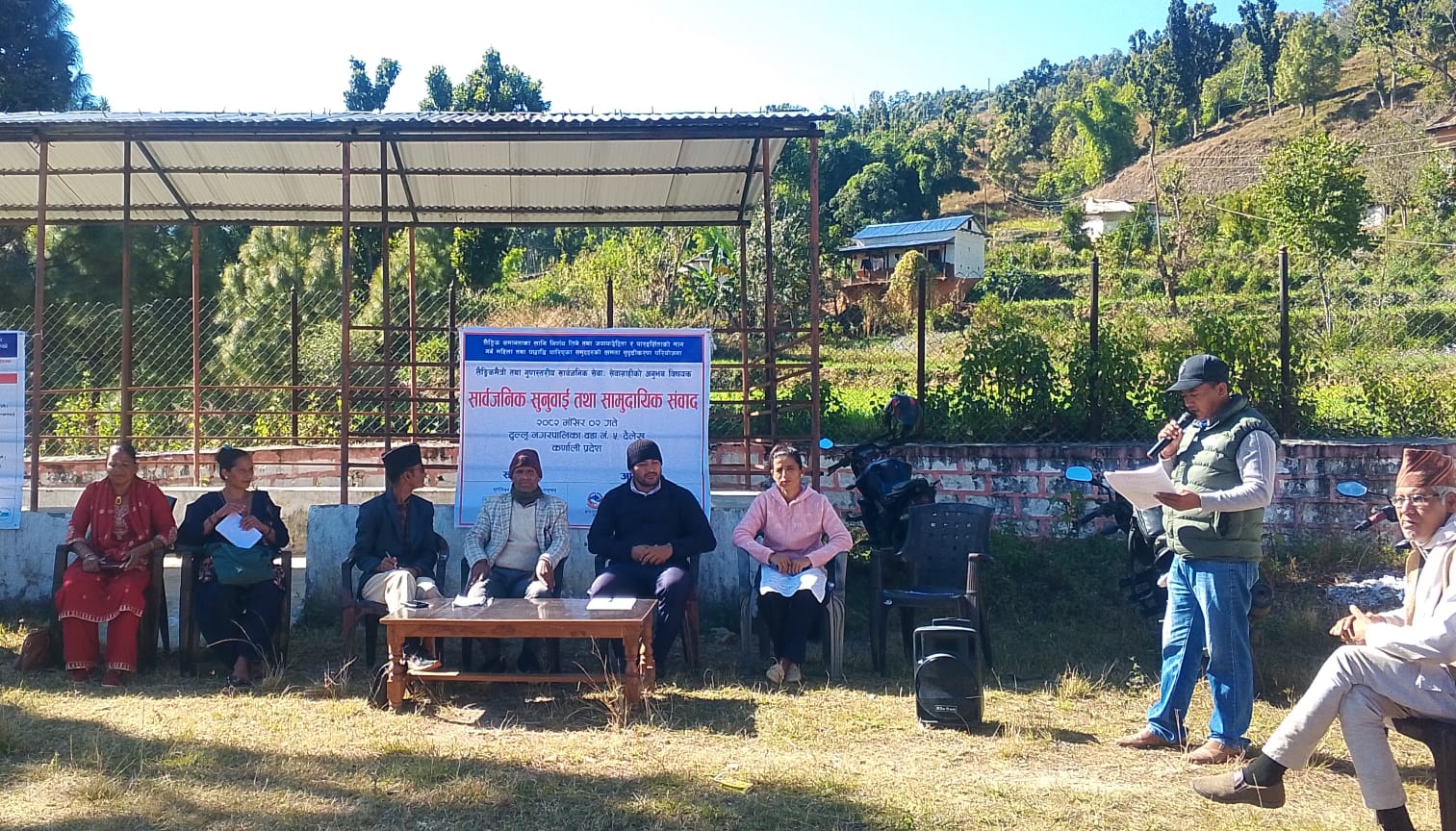
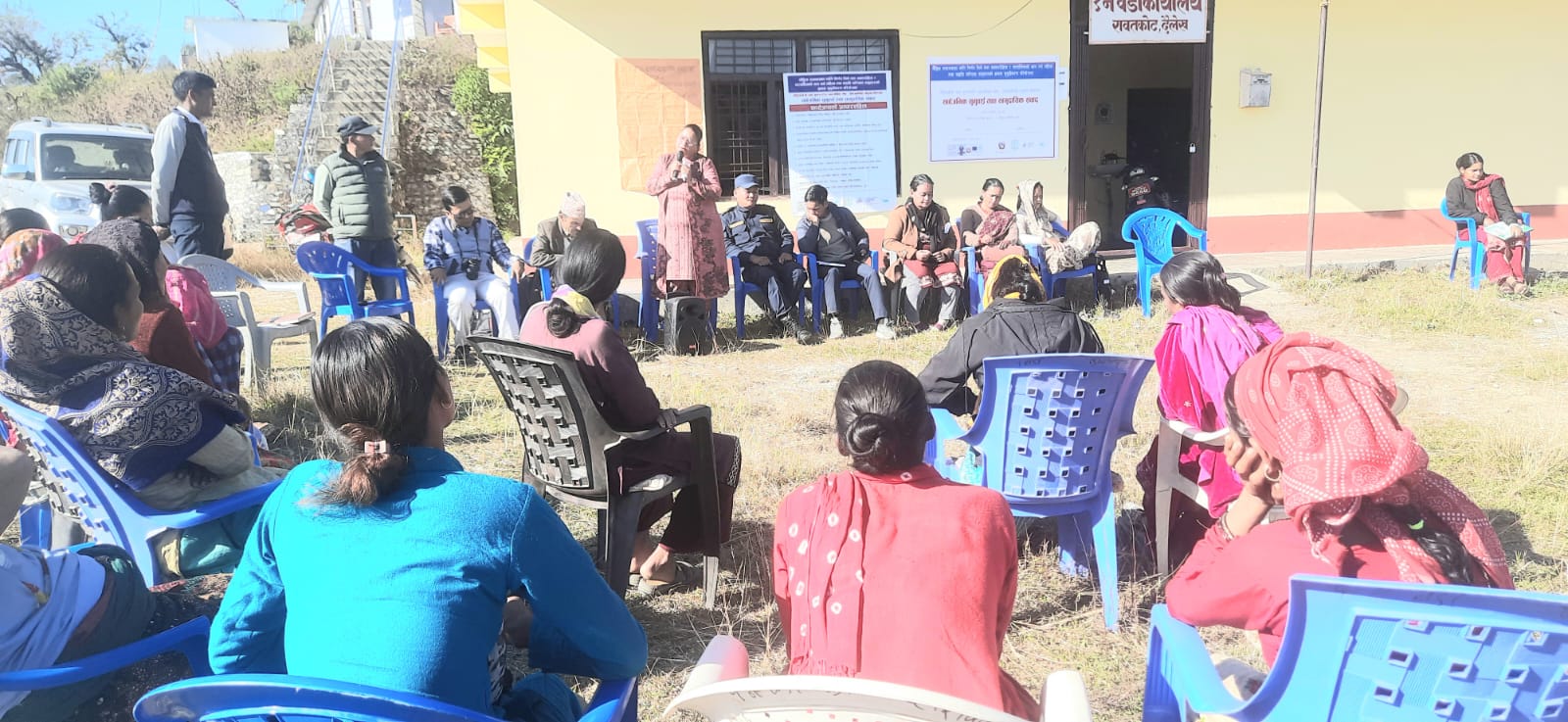
The community dialogue/public hearing is one of the major activities of the social accountability for gender equality project, aimed to enhance accountability and transparency of local representatives and officials in regards of services to be delivered from the respective LGUs to the citizens at the local level. A total of six Public Hearings/Community Dialogues were attended by the local representatives and officials (duty bearers) alongside local citizens/service holders. These were executed by Pro Public and its consortium partners in close cooperation and collaboration with respective LGUs under this project.
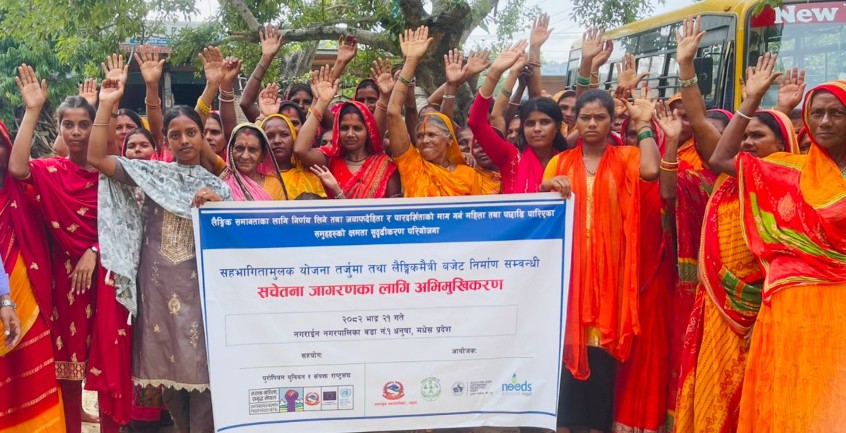
A total of 430 participants, 364 women and 66 men from various castes/ethnicities, and 201 Dalits, 71 Janajati,96 Brahmin/Chhetri, and 61 Madhesi attended the program and contributed in fostering an interactive and effective dialogue between service receivers and duty bearers. At the public hearing, a varied group of 29 participants, comprising 25 women and 4 men from different caste, ethnic, cultural, and geographical origins out of 430gathered to present questions, concerns, and complaints to local authorities about the involvement of women, sexual minorities, Dalits, marginalized groups, and individuals with disabilities in the planning and budgeting process. Likewise, several participants asked why the local government doesn’t allocate resources towards women’s empowerment, gender equality, women & unemployment, income generation, and social awareness issues like gender-based discrimination, violence and so forth. Several participants expressed worries regarding girls’ nutrition and their education and put pressure on local authorities to address these issues strategically. By the conclusion of the public hearing, in response to the concerns and complaints presented by service receivers and local authorities declared 33 the public commitments and signed. The commitments focus on five main areas: effective and inclusive public services; gender friendly, social inclusive planning and budgeting; accountability and transparency; facilitating access for women and marginalized groups in decision-making; and enhancing the quality of the services. These public hearings have led to greater accountability and transparency from local authorities to the community, particularly regarding the concerns and voices of women and marginalized groups. Conversely, it has strengthened women and marginalized groups along with their rights.

.png)


.png)